
GOAT Flow Is Live
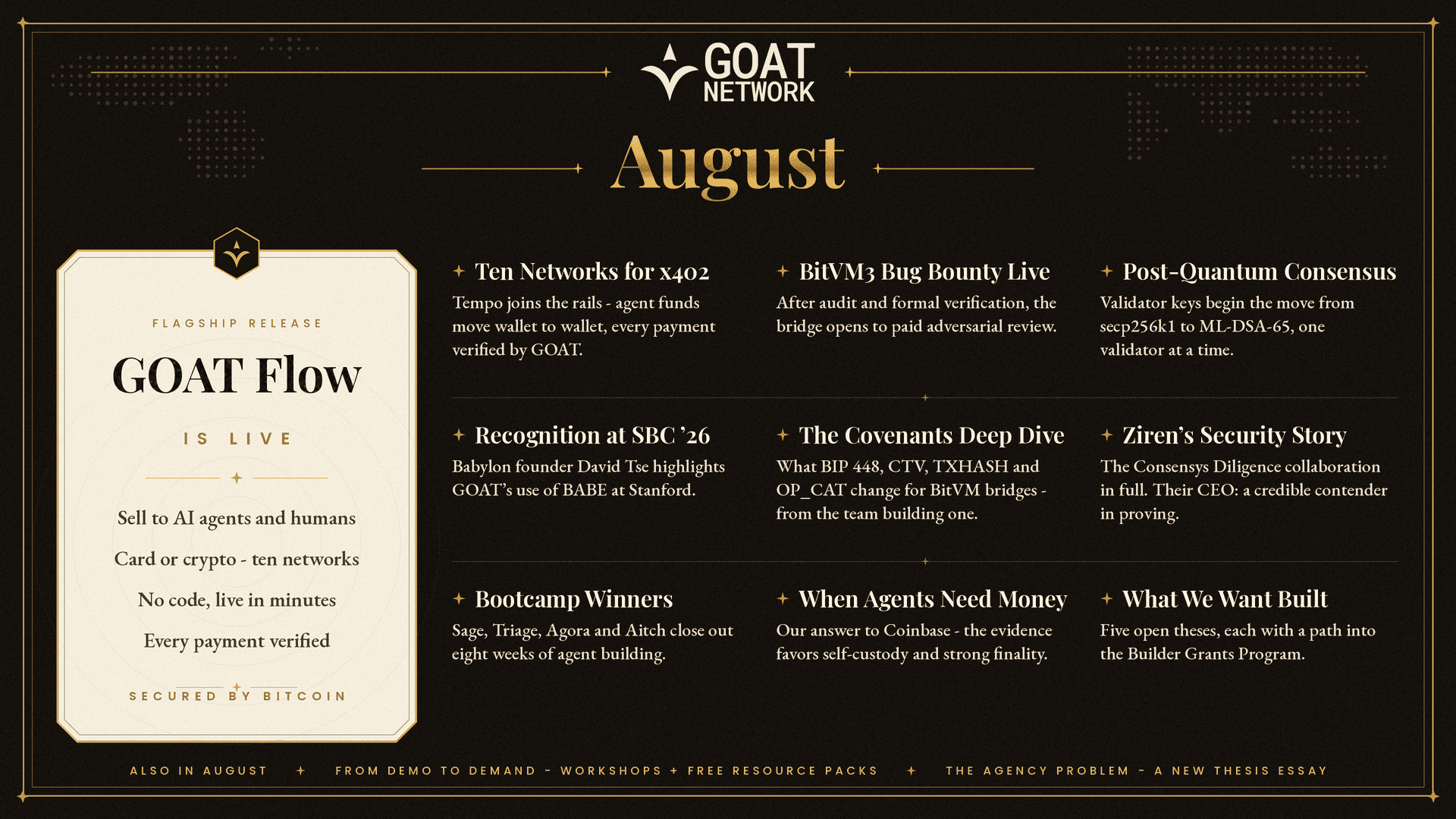
August put agent commerce within reach of any merchant: GOAT Flow went live, x402 support reached ten networks, BitVM3 opened to public adversarial review, validator consensus keys began the move to post-quantum signatures, and the OpenClaw Summer Builder Bootcamp crowned its winners.
GOAT Flow is live. Any business can now sell to AI agents and human customers alike - by card or crypto, across multiple major networks, with no code required and every payment verified before an order is confirmed. July's newsletter closed by noting that merchant applications were preparing to launch. This is the product that years of Bitcoin-secured infrastructure work were building toward, and the biggest release of the month.
Beyond the launch, the GOAT BitVM3 public bug bounty opened, our technical direction received recognition at Stanford's Science of Blockchain Conference, ZKM published the full story of Ziren's security collaboration with Consensys Diligence and the Ethereum Foundation, and validator consensus keys began their migration to post-quantum signatures.
GOAT Flow Is Live
Your next customer might not be a person. People are sending AI agents to shop on their behalf - to find products, compare prices, book services, and pay. Most checkouts were built for a person with a mouse, a card, and patience for forms, and cannot serve an agent at all.
Enter GOAT Flow. It turns AI agent intent into transactions: any merchant can make their products findable and payable by AI agents, with receipts nobody can reverse. And it asks almost nothing of the merchant - no code, no agent expertise, a few minutes to set up.
There are three ways to sell. Checkout adds a complete checkout experience for humans and agents to an existing store or platform. QuickPay creates a direct payment link for sellers and creators without a storefront. API Payments lets agents pay automatically, per request, for APIs, data, and AI tools. Everything is managed from one Merchant Portal, with a record of every transaction and reconciliation reports you can export.
Payments arrive two ways, side by side. Card payments are processed by Stripe, with Visa, Mastercard, American Express, and JCB supported. Cryptocurrency payments move directly from the buyer's wallet to the merchant's across ten networks. GOAT Flow never holds the money - it watches the chain, confirms the payment really landed, matches it to the right order, and issues the receipt. When your system ships a product or unlocks access, it is acting on a fact, not a promise.

In July we published The GOAT Stack, the full system in one view - from decentralized sequencing and the Ziren zkVM to Bitcoin settlement and cross-chain payments, ending with merchant applications. GOAT Flow is that missing component, now live: the point where Bitcoin-secured infrastructure reaches the checkout. The agent economy will move more money, faster, with less human oversight than any system of commerce before it, and we think it should settle on the strongest, most battle-tested security foundation in existence. That foundation is Bitcoin.
Learn more: goat.network/flow Become a merchant: flow-merchant.goat.network Full announcement: Introducing GOAT Flow
x402 Support Reaches Ten Networks
The cross-chain expansion continued from July, when Metis and X Layer joined the supported networks. In August, GOAT Network's commerce infrastructure added Tempo, bringing the total of x402-supported networks to ten: GOAT Network, Ethereum, BSC, Arbitrum, Optimism, Base, Berachain, X Layer, Metis, and Tempo.
Agents can pay merchants across more chains. Funds move directly from the agent's wallet to the merchant's wallet, and GOAT verifies each transaction and issues the receipt.
These are the rails GOAT Flow launched on. The integration continues our push toward agent-commerce infrastructure that is cross-chain by default: the payment begins on the network where the funds already sit and completes on the network where the service executes.
When Agents Need Money, What Rails Will They Choose?
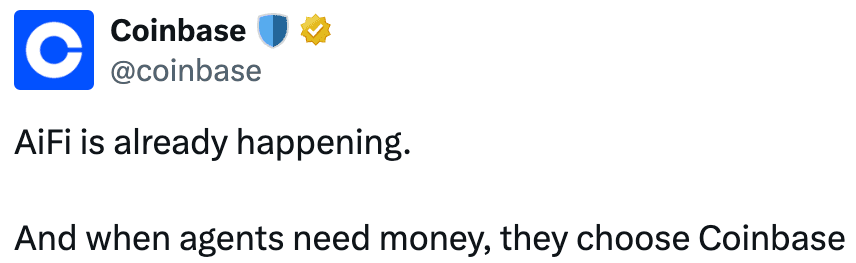
Coinbase claimed that when agents need money, they choose Coinbase. So we looked at the evidence.
Our new research asks whether current usage tells us anything about what agents prefer, or mostly reflects developer defaults, incentives, and platform distribution. Today, developers choose the SDKs, providers, and networks agents run on. When the choice is genuinely the agent's, the evidence points toward self-custody, strong finality, and fewer discretionary intermediaries.
The study, the data, and what it means: When agents need money, what rails will they choose?
The GOAT BitVM3 Public Bug Bounty Is Live
Following last month's audit work - the BitVM3 implementation under audit, and the bridge node's formal verification report published in full - the security program moved to its next stage: adversarial review, with rewards attached.
Independent security researchers can now probe the GOAT BitVM3 bridge, contracts, state machine, and dispute process, and get paid for what they find.
We published the verification report so that external teams could rerun the specifications, question the models, and test the running system directly. The bounty formalizes that invitation. The goal before mainnet is unchanged: expose as much of the system as possible to people trying to break it.
The first weeks brought 93 submissions, with 13 findings confirmed so far - four high, five medium, four low, and none critical. Each confirmed finding is tracked in the open on GitHub.
Details and scope: GOAT BitVM3 Bug Bounty Campaign
Recognition at Stanford's Science of Blockchain Conference
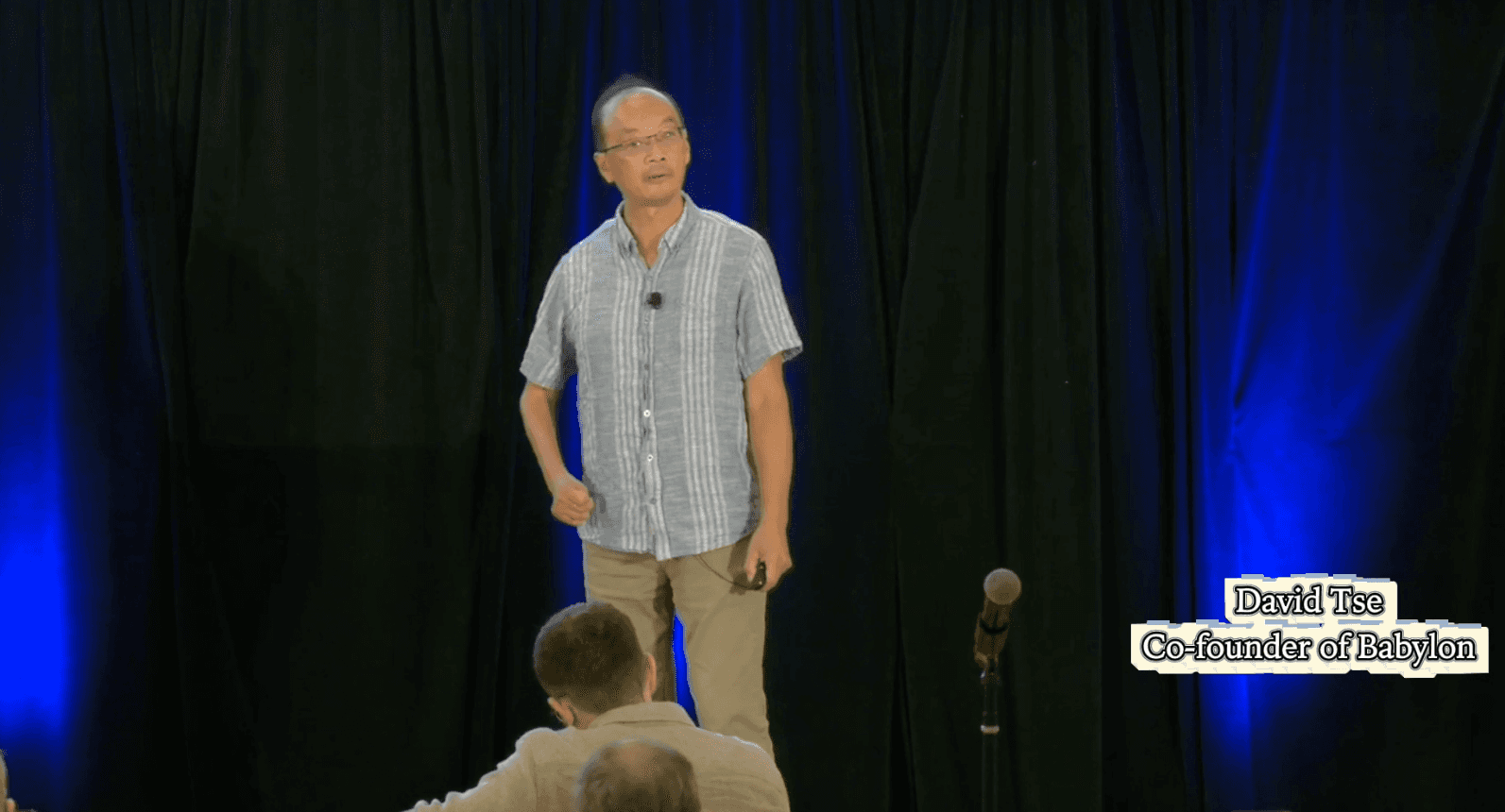
GOAT Network's BitVM3 work received a notable mention at SBC '26, the Science of Blockchain Conference at Stanford. Babylon founder David Tse highlighted GOAT as a project using BABE, the witness-encryption construction developed by researchers from Berkeley, Stanford, Babylon, and Byzantine Research.
For us, it was useful external recognition of the research path we have been developing toward Bitcoin settlement.
Understanding Bitcoin Covenants
Anyone building a BitVM-style bridge spends real time on the setup ceremony - the pre-signing, and the assumptions inherited at peg-in. Our own research kept arriving at the same conclusion: some of that logic belongs in Bitcoin consensus, not in every bridge's setup.
So we published a deep dive on Bitcoin covenants: what they are, and what BIP 448, CTV, TXHASH, and OP_CAT would change for BitVM bridges - a neutral assessment from the team building BitVM3.
Read it: Understanding Bitcoin Covenants and What They Change for BitVM Bridges
Outliving the Quantum Computer
A network built to secure the next economy with Bitcoin has to outlive the quantum computer. The signatures securing most blockchains today will not.
GOAT Network is moving its validator consensus keys from secp256k1 to ML-DSA-65, the NIST post-quantum signature standard - one validator at a time, while the chain keeps producing blocks.
The full engineering writeup covers what broke, what it costs, and the playbook for any chain looking to do the same.
Engineering writeup: Post-Quantum Consensus Keys on GOAT
Inside Ziren's Security Collaboration
July's newsletter noted public praise from Consensys Diligence for the ZKM team. In August, our zk R&D branch ZKM published the full story behind that collaboration with Consensys Diligence and the Ethereum Foundation: what was reviewed, how the work evolved, what changed as a result, and what the process says about building a production-ready zkVM.
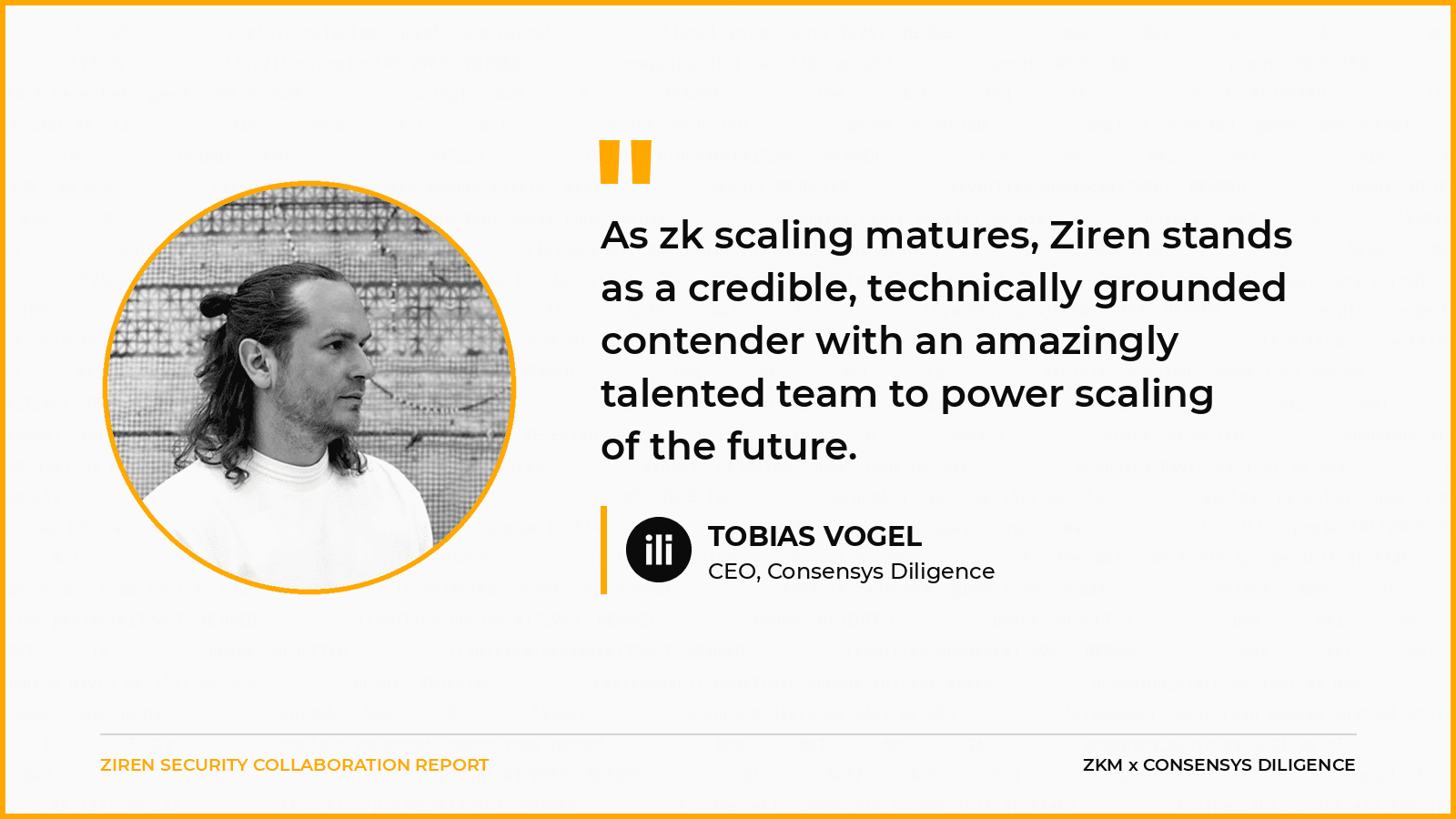
One comment carried particular weight. Consensys Diligence's CEO described Ziren as a credible contender in the proving space - an assessment from a team that has audited much of the leading ZK ecosystem.
ZKM also published new work on the industry's reassessment of Poseidon2 and where cryptographic risk should sit. Ziren is already evolving with it: its public-input digest recently migrated from Poseidon2 to BLAKE3, keeping its most critical components on the most battle-tested cryptography available.
Security collaboration: Inside Ziren's Security Collaboration with Consensys Diligence Poseidon2 analysis: Why Ethereum Walked Away from Poseidon
What We Want Built on GOAT
In July we restructured the Builder Grants to fund products that already work, from the $2,000 base grant to the $1 million Singularity Investment. In August we put in writing what we want built with them. Instead of asking builders to guess what might fit the ecosystem, the article lays out five open theses: concrete product directions where we see real demand, and where strong teams have a credible path into the GOAT AI Builder Grants Program.
If you are deciding what to build next, start here: What we want built on GOAT
The Builder Bootcamp Finale
The OpenClaw Summer Builder Bootcamp closed out eight weeks of building. From the 91 applications and the ten teams that advanced to Stage 2 in July, the cohort shipped early products built around agents that transact, deliver services, and take part directly in economic activity - demoed live through the final weeks, with Demo Day on August 26th featuring Elena, CEO Kevin Liu, CTO Stephen Duan, and Andrei S.
The winners:
1st - Sage: an agent that verifies work in browser or onchain, then pays for it
2nd - Triage: rebuilds crypto cost basis across chains and bridges with cited evidence, ready for a CPA to sign
3rd (tie) - Agora: a marketplace where AI agents buy and sell compute from each other, no human approval
3rd (tie) - Aitch: turns a lecture recording and slides into a study pack, paid per session in USDC.e
Special awards went to Quota, Finality, Paymate, TokenWatcher, and Aporix. All four placed winners are ERC-8004 agents paying via x402 on GOAT mainnet, and the strongest teams have a direct route into the Builder Grants Program.
Watch the finale: https://x.com/i/broadcasts/1vJpPNBnEYPJE
From Demo to Demand
CMO Ben Wynn delivered From Demo to Demand, a two-part marketing series for early-stage technical founders in the bootcamp.
Part 1 covered how technical founders should think about distribution, and the problems that usually appear after the product works: finding a defensible position, building repeatable distribution, using AI to increase marketing output, and converting a demo into its first users. Part 2 moved into execution: AI-assisted marketing workflows, SEO, GEO, content systems, and the practical mechanics of turning an early product into something people can find and use.
Both resource packs from the series are free to download. The Growth Tip Sheet explains the why behind the workflows, and the AI Marketing Ops Manual is its practical execution companion.
Growth Tip Sheet: assets-shared.goat.network/growth-tip-sheet.pdf
AI Marketing Ops Manual: assets-shared.goat.network/ai-marketing-ops-manual.pdf
Watch: Part 1 | Part 2
The Agency Problem
Ben also published The Agency Problem, a follow-up to February's eight-part The Agent Standard series.
This extensive piece examines what changes now that economic participants can be created at effectively negligible marginal cost, and what that means an open economy can safely assume about identity, intent, and trust.
Full article: The Agency Problem
What’s coming next?
GOAT Flow merchants are onboarding, GOAT BitVM3 moves closer toward mainnet under audit and open bounty, and post-quantum security research continues. The bootcamp's strongest teams move into the Builder Grants Program, and more integrations are in development.
Thank you to every builder, researcher, auditor, partner, and user who contributed during August.
Sincerely, The GOAT Team.


